Kannada Actress Raises Concern Over Telugu Language
A recent interview with Payal Radhakrishna has started an important discussion about love for language especially Telugu.
By: Priya Chowdhary Nuthalapti | 22 April 2026 8:23 PM IST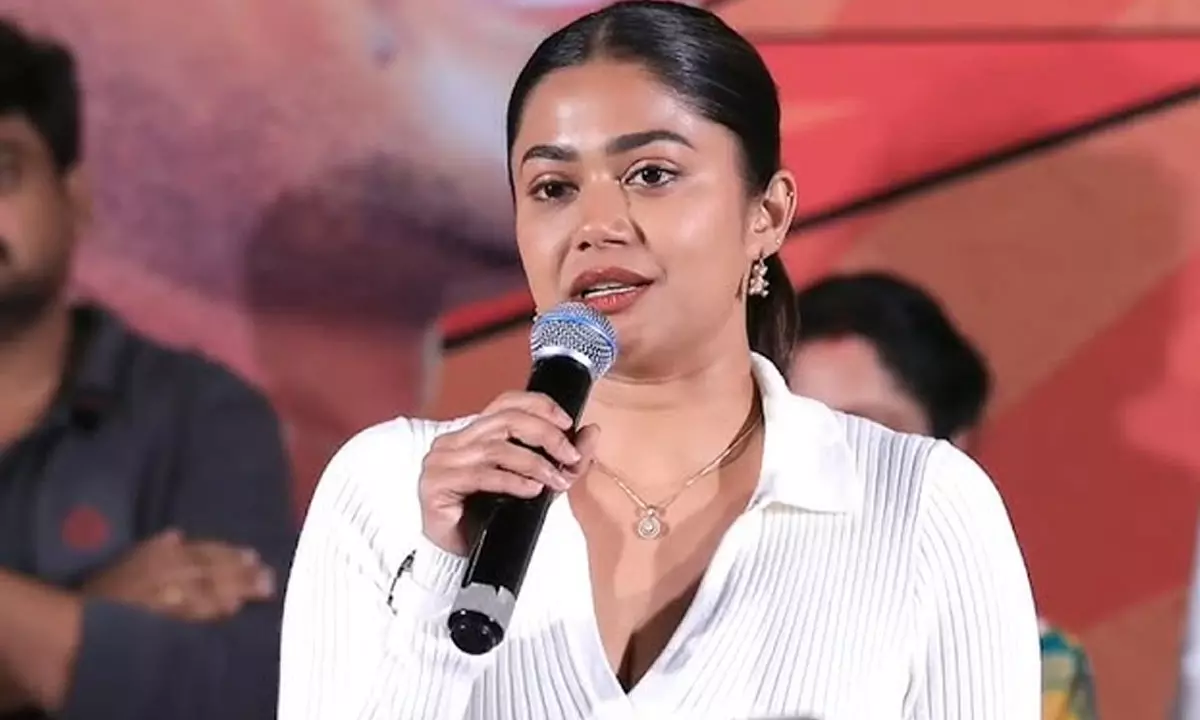
A recent interview with Payal Radhakrishna has started an important discussion about love for language especially Telugu. The actress who is originally from a Konkani background, shared her thoughts while promoting her latest film Papam Pratap. Her honest words surprised many people.
In India, people usually show strong love and respect for their mother tongue. They try to learn it well, speak it proudly, and pass it on to the next generation. But Payal pointed out that this is not always the case with Telugu speakers. She said that many people, especially the younger generation are slowly losing their connection with the Telugu language.
Payal entered Telugu cinema with the web series Taragathi Gadhi Daati. Later, she acted in films like Prasanna Vadanam and Chaurya Paatham. While working in these projects, she started learning Telugu seriously. She also learned Kannada and Tamil along with it. Over time, she developed a deep interest in Telugu, especially its film songs.
She shared that she loves Telugu songs from the 1990s because of their meaningful and beautiful lyrics. She said, "I really liked Telugu songs, especially from the 90s. They have great meaning and depth." However, when she tried to understand the lyrics better, she faced an unexpected problem.
She said, "When I asked people here to explain the meanings of those songs, many could not give correct answers." This shocked her. She also mentioned, "Even some 90s Telugu kids said they don’t know the meaning of many Telugu words."
Payal found it surprising that people are not fully aware of their own language. She questioned why many are not learning or understanding Telugu properly. Her comments highlight a bigger issue — the gradual neglect of a rich and beautiful language.
Telugu has a long history and great literature. But if people stop learning and using it, future generations may lose touch with it.