Begin typing your search above and press return to search.
Megha Water lifting wonder
By: Tupaki Desk | 30 Oct 2017 5:03 PM IST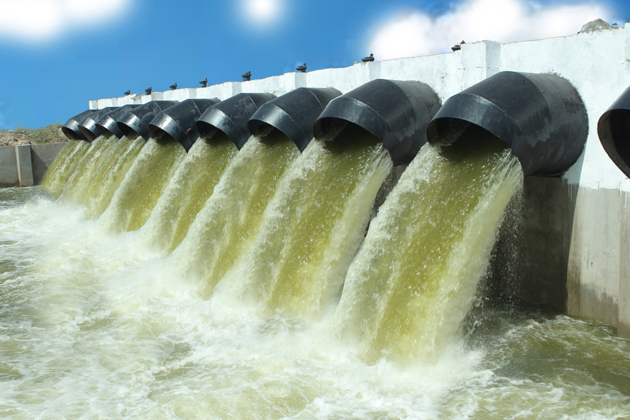
On one side, it's a dream, and on another, it's a hope.
There is enthusiasm and conflict prevailing between both viewpoints.
And finally, it has been realized - the Handri-Niva Sujala Sravanthi (HNSS) Project. In circumstances, where experts believed that the execution of large scale lift irrigation projects was not possible, MEIL broke through such apprehensions and proved that such feats are possible by constructing the highest and most difficult lift irrigation project. MEIL has pumped water to high altitude areas by constructing pumping stations necessary for the achieving such task. This is a technological wonder not just in our state, but in the entire country.
HNSS is the largest lift irrigation project in India. In the first phase of the project, MEIL constructed 8 pumping stations. Each pumping station consists of 12 high capacity pumps and motors. These pumps lift water to a height of 200 meters. At Malyala village in Kurnool district, the elevation is 254 meters, and at the eighth pumping station, it is 438 meters. Such longest, highest, and difficult to execute pumping stations were hitherto not constructed in India. This is first such project built in India.
MEIL has proved its mettle by supplying water to the drought-prone, desert-like areas in Rayalseema, with any major setbacks and challenges for the last six years. A total of ten pumping stations were constructed across a length of 220 km. to supply water for irrigation and drinking water purposes. Similarly, MEIL set a record by successfully lifting water from River Krishna during the flood season without any delays and interruptions.
To appreciate the grand scale of the project, it should be understood that a total of 775 MW of power is required to lift water through the 12 pumping stations. MEIL completed the electro-mechanical works (pumping stations) of this project that will pump 30 TMC of water by utilizing 1.9 billion KV units of power. Out of the 12 pumping stations, MEIL constructed 10 in the first phase and the remaining two are close to completion.
In a scenario where small-scale irrigation projects (IDC and RIC) were shut down due to failures, irrigation departments were not optimistic that large scale lift irrigation projects will operate successfully and give water to drought-prone areas. A number of questions were posed: Where is the water? Where are the funds? Where is the power required to run the pumps and motors? Who will pay the bills? Will the motors run without failure? Who will take care of repairs and maintenance?
The successful completion of the HNNS project has set aside such questions and apprehensions. The HNSS project is the largest and toughest irrigation scheme that was envisaged in undivided Andhra Pradesh. The objective of this project is to provide water through 550 km and across four districts.
When MEIL started this project during the regime of Sri Rajasekhar Reddy, all hopes of completion were criticized and ridiculed. Finally, the first phase of the project was completed in 2012 and water has been pumped without major interruptions till date.
Year Qty. of water diverted (in TMC)
2012 17.85
2013 23.45
2014 19.21
2015 21.32
2016 33.42
2017 6.7 (till now)
Currently, phase-II works of HNSS are progressing rapidly. The government is planning the completion of the project completed by December 2017 so as to provide water to the targeted ayacut without delays. Under HNSS project, a total of 6.025 acres will be irrigated in Kurnool, Ananthapur, Kadapah, and Chittor districts. Drinking water will be provided to 33 lakh citizens. Krishnagiri, Patthikonda, Jeedipalli, Golapalli, Cherlopalli, Maarala, Srinivasapuram, Adavipalli reservoirs are some of the most critical aspects of this project. The pumping stations play a key role in carrying such large quantities of water.
There is enthusiasm and conflict prevailing between both viewpoints.
And finally, it has been realized - the Handri-Niva Sujala Sravanthi (HNSS) Project. In circumstances, where experts believed that the execution of large scale lift irrigation projects was not possible, MEIL broke through such apprehensions and proved that such feats are possible by constructing the highest and most difficult lift irrigation project. MEIL has pumped water to high altitude areas by constructing pumping stations necessary for the achieving such task. This is a technological wonder not just in our state, but in the entire country.
HNSS is the largest lift irrigation project in India. In the first phase of the project, MEIL constructed 8 pumping stations. Each pumping station consists of 12 high capacity pumps and motors. These pumps lift water to a height of 200 meters. At Malyala village in Kurnool district, the elevation is 254 meters, and at the eighth pumping station, it is 438 meters. Such longest, highest, and difficult to execute pumping stations were hitherto not constructed in India. This is first such project built in India.
MEIL has proved its mettle by supplying water to the drought-prone, desert-like areas in Rayalseema, with any major setbacks and challenges for the last six years. A total of ten pumping stations were constructed across a length of 220 km. to supply water for irrigation and drinking water purposes. Similarly, MEIL set a record by successfully lifting water from River Krishna during the flood season without any delays and interruptions.
To appreciate the grand scale of the project, it should be understood that a total of 775 MW of power is required to lift water through the 12 pumping stations. MEIL completed the electro-mechanical works (pumping stations) of this project that will pump 30 TMC of water by utilizing 1.9 billion KV units of power. Out of the 12 pumping stations, MEIL constructed 10 in the first phase and the remaining two are close to completion.
In a scenario where small-scale irrigation projects (IDC and RIC) were shut down due to failures, irrigation departments were not optimistic that large scale lift irrigation projects will operate successfully and give water to drought-prone areas. A number of questions were posed: Where is the water? Where are the funds? Where is the power required to run the pumps and motors? Who will pay the bills? Will the motors run without failure? Who will take care of repairs and maintenance?
The successful completion of the HNNS project has set aside such questions and apprehensions. The HNSS project is the largest and toughest irrigation scheme that was envisaged in undivided Andhra Pradesh. The objective of this project is to provide water through 550 km and across four districts.
When MEIL started this project during the regime of Sri Rajasekhar Reddy, all hopes of completion were criticized and ridiculed. Finally, the first phase of the project was completed in 2012 and water has been pumped without major interruptions till date.
Year Qty. of water diverted (in TMC)
2012 17.85
2013 23.45
2014 19.21
2015 21.32
2016 33.42
2017 6.7 (till now)
Currently, phase-II works of HNSS are progressing rapidly. The government is planning the completion of the project completed by December 2017 so as to provide water to the targeted ayacut without delays. Under HNSS project, a total of 6.025 acres will be irrigated in Kurnool, Ananthapur, Kadapah, and Chittor districts. Drinking water will be provided to 33 lakh citizens. Krishnagiri, Patthikonda, Jeedipalli, Golapalli, Cherlopalli, Maarala, Srinivasapuram, Adavipalli reservoirs are some of the most critical aspects of this project. The pumping stations play a key role in carrying such large quantities of water.