Indian Hotels Shutting Down: What’s Actually Happening?
The situation of the natural gas supply in India is becoming increasingly detrimental every single day, and we have a shocking development in this regard now.
By: Tupaki Desk | 9 March 2026 10:14 PM IST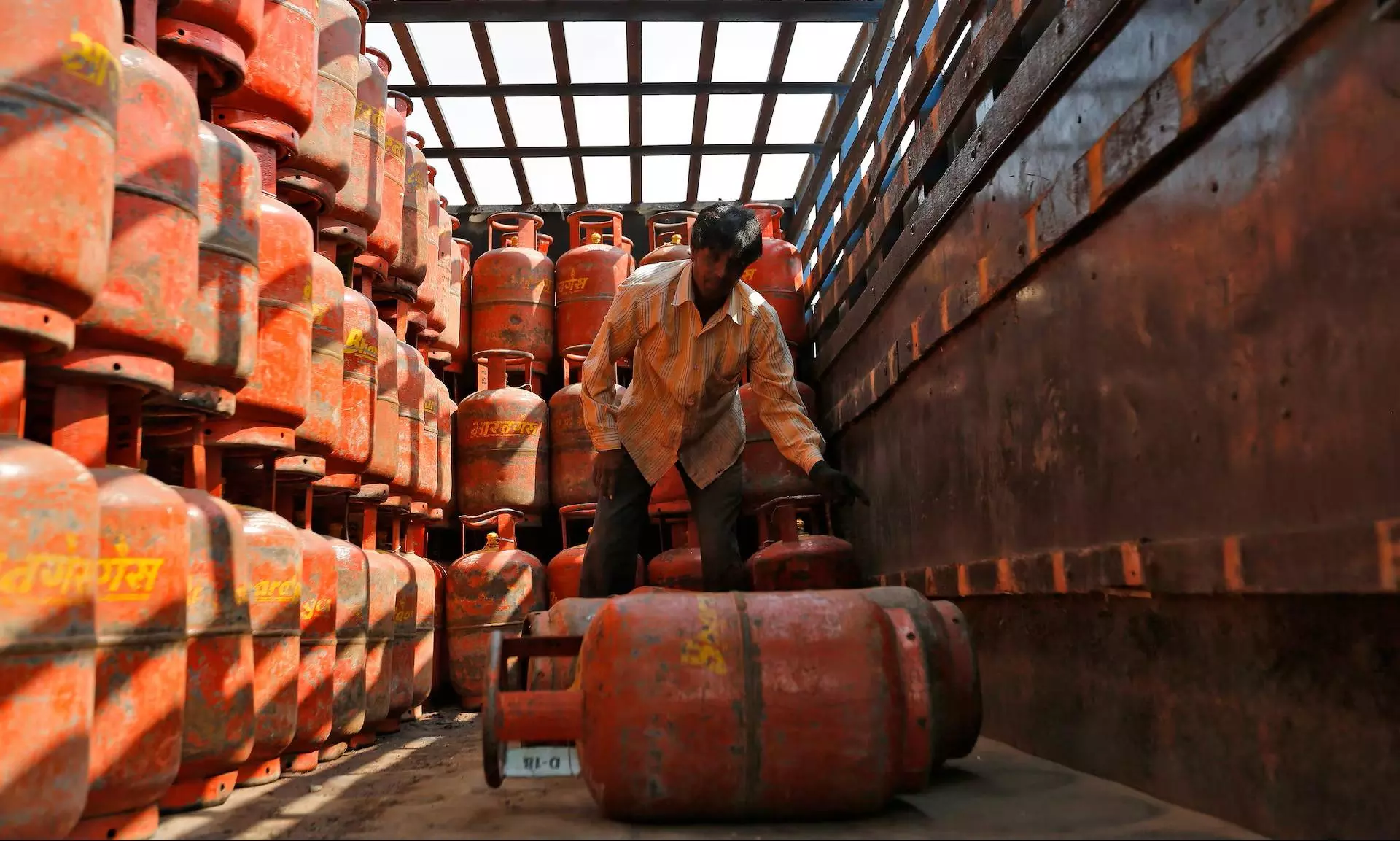
The situation of the natural gas supply in India is becoming increasingly detrimental every single day, and we have a shocking development in this regard now.
Hotels and restaurants in major Indian cities such as Mumbai and Bengaluru are facing a severe cooking gas shortage, forcing many establishments to either reduce operations or temporarily shut down.
The crisis has been triggered by disruptions in the supply of commercial LPG cylinders, which are essential for the hospitality sector.
In Bengaluru, the Bangalore Hotels Association has warned that many hotels will stop operations due to the sudden halt in commercial LPG supply. Thousands of eateries that depend on gas cylinders for cooking are struggling to run kitchens, affecting workers and customers who rely on these outlets for daily meals.
Mumbai is also witnessing a similar situation. Dealers say the supply of commercial LPG cylinders has been severely disrupted, leaving restaurants and hotels without adequate cooking fuel. Some establishments have reported delays of several days in receiving gas cylinders, while others say deliveries have stopped completely.
Industry bodies say the shortage is linked to global energy disruptions caused by tensions in West Asia, which have affected LPG supply chains and increased prices.
The situation has created uncertainty for the hospitality sector, with many small eateries worried about sustaining daily operations if the shortage continues.
The government has asked refineries to increase LPG production and ensure that domestic consumers get priority supply. However, hoteliers say immediate relief is needed to prevent widespread closures across major cities.
If the supply situation does not improve soon, the gas shortage could significantly impact India’s food service industry and millions of people who depend on restaurants for affordable meals.