More MPs for a Growing Population, But What About Hospitals and Basic Facilities?
While discussions are underway to increase Lok Sabha seats in line with India's growing population, people are questioning why the same planning is not reflected in public hospitals, schools and roads. Government hospitals face shortages of beds and doctors, while schools lack classrooms and teachers. Growing residential areas also struggle with roads, drainage and drinking water.
By: Tupaki Desk | 29 Nov 2026 11:46 PM IST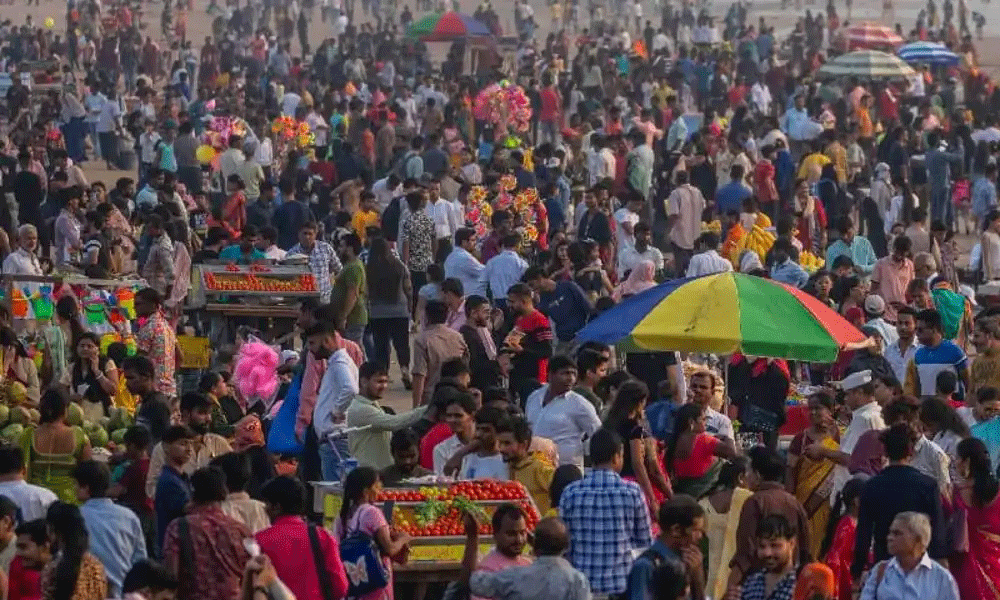
India’s population is growing, and the debate over increasing Lok Sabha seats has returned. Population figures are central to delimitation. But people are asking why the same attention is not given to hospitals, schools and roads.
Government hospitals struggle to deal with the number of patients. Beds are not available, and staff shortages add to the problem. People in smaller towns often travel to cities for treatment. Government schools face a similar strain. Student numbers rise, but classrooms and teachers do not increase at the same pace. New residential areas come up, while roads, drainage and drinking water facilities lag behind.
In cities, traffic has become part of daily life. Buses are crowded, patients wait for treatment and families worry about nearby schools. These problems did not appear overnight. Yet people rarely hear what is being done to address them.
There is nothing wrong with discussing more parliamentary seats. Areas with larger populations need representation. But population figures should also guide public services. Governments need to identify where hospitals are required, how many schools are needed and which areas need better roads and bus services.
Political parties are putting forward arguments on Lok Sabha seats. People also expect answers to everyday concerns. What benefit does another parliamentary seat bring to a family without a nearby hospital, or to parents struggling to find a good school for their children? They want governments to deal with these problems too.