India's Passport Ranks Higher in Henley Index
India's passport has made a notable improvement in the Henley Passport Index 2025.
By: Tupaki Desk | 23 July 2025 12:19 PM IST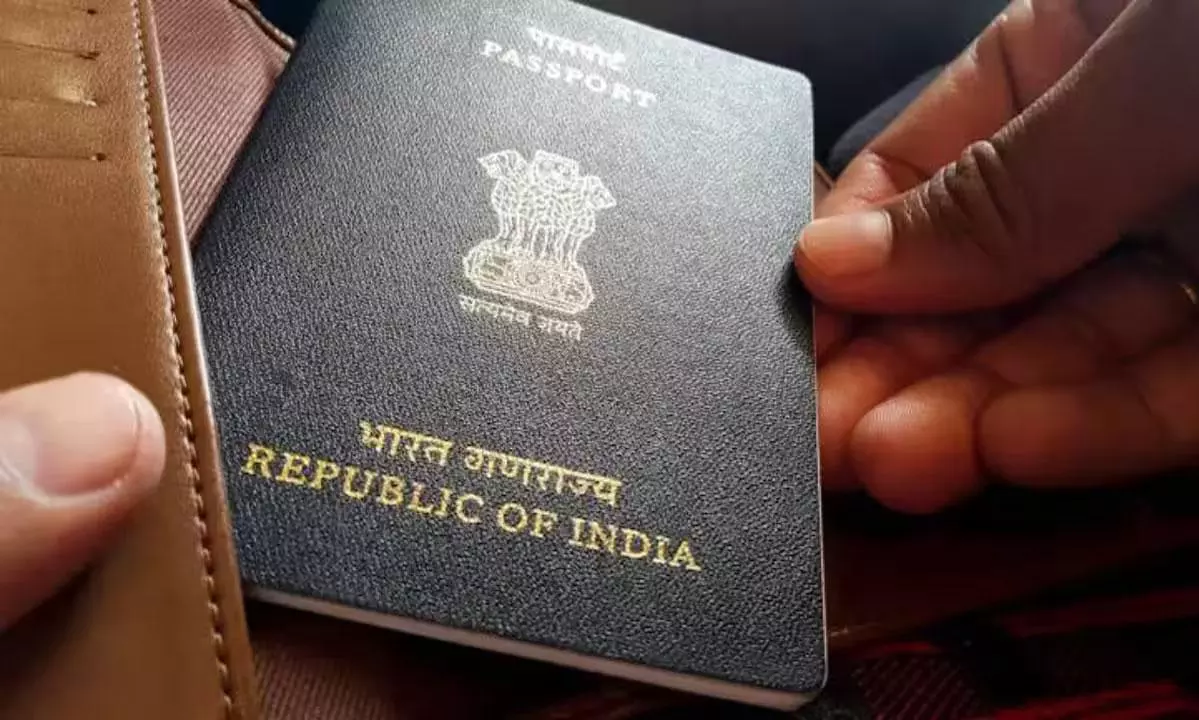
India's passport has made a notable improvement in the Henley Passport Index 2025. It has moved up eight places from 85th to 77th, despite gaining only two more visa free destinations. This means Indian passport holders now have access to 59 countries without needing a prior visa. These include popular travel destinations like Malaysia, Indonesia, the Maldives and Thailand, which offer visa-free access. Additionally countries such as Sri Lanka, Macau and Myanmar provide visa on arrival (VOA) options.
The Henley Passport Index ranks passports based on the number of destinations their holders can visit without needing a visa. Singapore holds the top spot, granting access to 193 destinations, followed by Japan and South Korea with access to 190 countries. Seven European countries Denmark, Finland, France, Germany, Ireland, Italy and Spain share third place with access to 189 countries each.
At the bottom of the index, Afghanistan ranks the lowest, with visa-free access to just 25 destinations. Meanwhile the United Kingdom and the United States, once holding the top positions have dropped one spot each and now rank 6th and 10th respectively. The UK offers visa-free access to 186 destinations, while the US passport allows access to 182 destinations.
Saudi Arabia has seen the biggest improvement, adding four destinations to its tally, bringing its total to 91. China, on the other hand, has risen 34 places since 2015, now ranking 60th, though it still lacks access to Europe's Schengen Area.
Dr. Juerg Steffen CEO of Henley & Partners, noted that there is an increasing demand for alternative residence and citizenship options, particularly from US and UK nationals. As geopolitical uncertainties grow, mobility and citizenship planning have become crucial for securing broader global access and stability.