Human Emotion Will Always Beat AI in Cinema Says A. Sreekar Prasad
"Editing is not just about arranging shots. It is about creating emotions building characters and making the audience connect with the story" he said.
By: Priya Chowdhary Nuthalapti | 9 Jun 2026 4:46 PM IST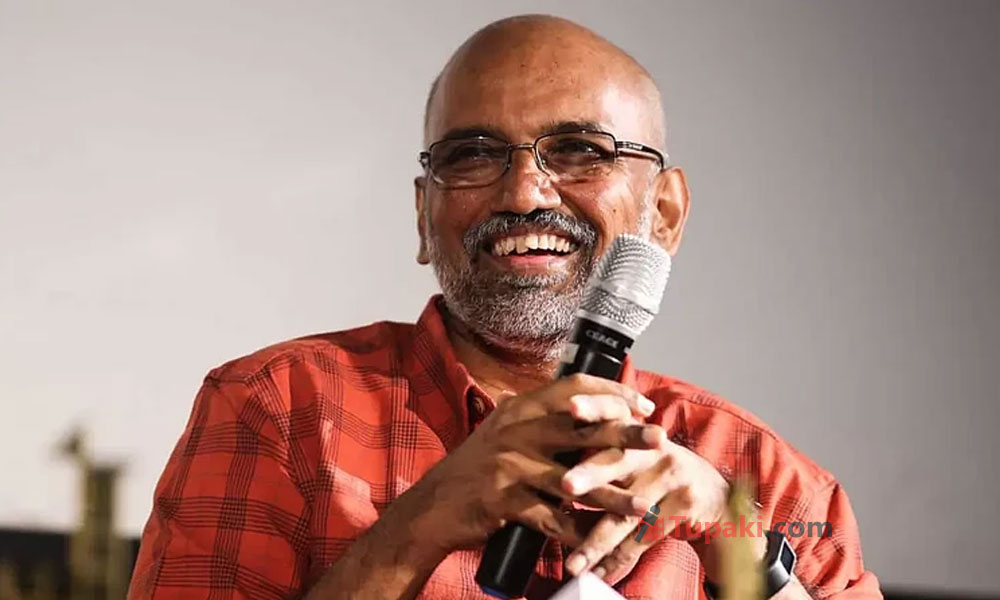
As artificial intelligence continues to transform many creative fields, veteran film editor A Sreekar Prasad believes that human emotions will remain the most important part of cinema. Speaking at a masterclass organized by the Film Editing Department at Annapurna College in Hyderabad the nine time National Award winning editor shared his views on filmmaking editing and the growing impact of AI.
During the session Prasad explained that editing is much more than simply putting scenes together. He said that an editor helps shape characters' story flow emotions and the overall experience of a film.
Talking about technology he said that advancements such as AI and visual effects are changing the way films are made. However he believes these developments make creative thinking even more important.
"Editing is not just about arranging shots. It is about creating emotions building characters and making the audience connect with the story" he said.
Prasad also highlighted the importance of previsualisation, especially 3D visualisation. According to him these tools help filmmakers explore different creative ideas before filming begins. He said this process improves planning, helps directors and editors work together early and reduces unnecessary shooting.
"Technology gives filmmakers many possibilities. It helps improve efficiency and allows teams to plan better before production starts AI can deliver technically perfect results. But cinema gets its true strength from human emotions intuition imperfections and personal conviction" he said.
He added that future editors will need to learn new skills as AI becomes more common in filmmaking. These skills include selecting the best creative ideas working with AI generated content designing visuals and understanding emotional storytelling. Prasad also encouraged students to observe the world around them and pay attention to rhythm pacing and shot duration. He said meaningful cinema often comes from experimentation and confidence in one's creative vision.
"Every filmmaker must trust the story they want to tell. Great cinema comes from conviction and a willingness to explore new ideas" he said.
He also talked about the importance of audience research before investing large amounts of time and money into a project. Understanding audience interests can help filmmakers make better creative and business decisions.