24/7 AI Divorce Courts in India
Supreme Court Justice Joymalya Bagchi has suggested introducing AI-powered courts in India to handle routine legal cases. He proposed 24/7 AI divorce courts for mutual consent cases to speed up justice and reduce judges' workload. Highlighting over five crore pending cases, he said AI could help manage routine legal tasks while judges focus on complex disputes.
By: Priya Chowdhary Nuthalapti | 24 Nov 2026 11:53 PM IST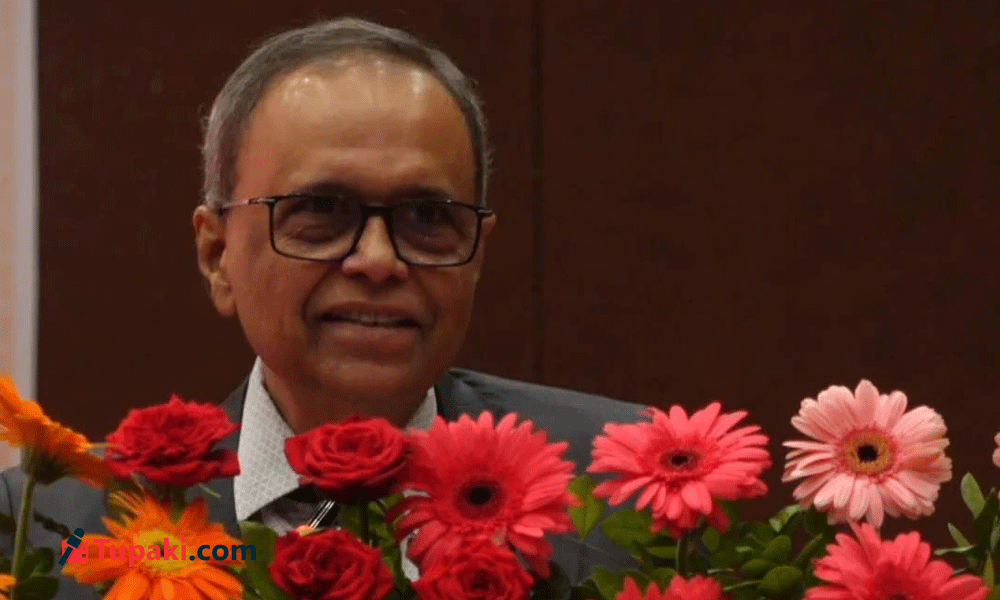
Supreme Court Justice Joymalya Bagchi has suggested using Artificial Intelligence (AI) to handle routine legal cases in India. As per the proposal, there must be an establishment of AI divorce courts which can function round the clock. This way, there will be a reduction in the workload of human judges and people can have quicker access to justice.
The ideas of Justice Bagchi were presented at the first DNLU JusTech National Conclave which was held in Jabalpur on November 21, 2026.
While presenting his speech, Justice Bagchi talked about the rising trend of backlog in the courts of India.
He said, "We are sitting on a pile of over five crores cases and with the given infrastructure and human resources, we are not going to go anywhere near in delivering quick, efficient and timely justice until and unless we have transformative interventions through artificial intelligence tool deployments."
He suggested using AI for routine court activities such as managing case records, organising cases, tracking hearing dates and identifying urgent matters. Applications seeking extra time to submit documents and requests for early hearings could also be handled through AI tools.
One of his major suggestions was to introduce AI-based courts for mutual divorce cases. He believes such cases could be handled through technology because they generally involve established legal procedures when both parties agree to separate.
Explaining his idea, Justice Bagchi said, "We should have 24/7 AI divorce courts so that there will be ease to access to justice and no wastage of human valuable human resources on completely non-adjudicatory exercises."
He also suggested using AI to analyse cheque bounce cases, land acquisition disputes and commercial money recovery cases. AI tools could study court documents and previous judgments to provide possible outcomes. This would allow judges to spend more time on complicated cases.
He summed up his view by saying, "What we need is AI-assisted adjudication and not AI-driven adjudication."